
Stop the Bleed: Getting Your Glass Prints and Strength Just Right
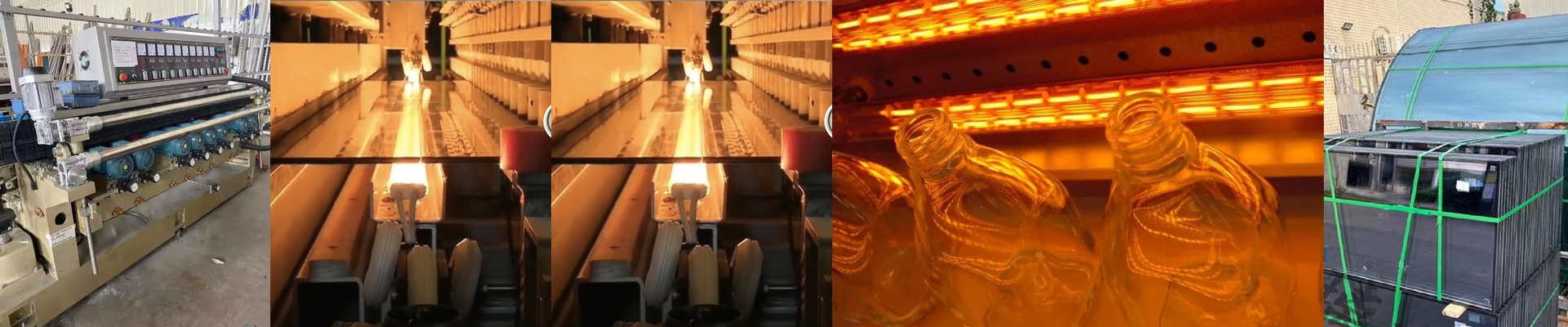
If you’ve ever dealt with integrated glass tempering after screen printing, you know it feels like a constant tug-of-war. On one side, you need the ink to stick. On the other, you need the glass to stay strong. It’s a tricky balance. Go too low on the heat, and the ink just won’t cure. Crank it up too high, and suddenly your crisp patterns start blurring or—even worse—you’re baking internal stress points right into the glass. That’s why we lean on short-wave infrared (IR) lamps. They’re basically the secret to hitting that sweet spot. The magic of IR heating Short-wave IR doesn’t mess around; it punches straight into the glass surface. We use that energy to trigger rapid polymerization in the ink layer. Essentially, we’re flash-curing the pattern before the glass even hits the main tempering furnace. This stops the ink from flowing or “bleeding” across the surface. The logic is simple: the faster you heat it, the sharper those lines stay. But you can’t just blast it. If the temperature jump between the printed part and the clear glass is too aggressive, you’ll end up with warping. It’s all about the ramp-up. Taking the guesswork out of it We don’t just slap these lamps on and hope for the best. We wire them directly into the tempering line so the whole thermal profile works as one. And here’s the best part: we use laser temperature guns for real-time monitoring. This means you can tweak the lamp intensity on the fly. You aren’t staring at a timer and guessing if it’s done—you’re looking at the actual temperature of the glass. It’s much more relaxing. The practical side of things Now, there are a few things to watch out for. High-output IR lamps are great for keeping up with a fast production line, but they’re power-hungry. Make sure your electrical panels and wiring can handle the peak current draw. Nobody wants to be the person who trips the breakers right as the shift starts. Plus, these lamps put off a ton of ambient heat. If your cooling fans aren’t positioned just right, the housing will overheat. Keep an eye on your airflow, and you’ll be golden.