Dealing with Thermal Shock in Glassware
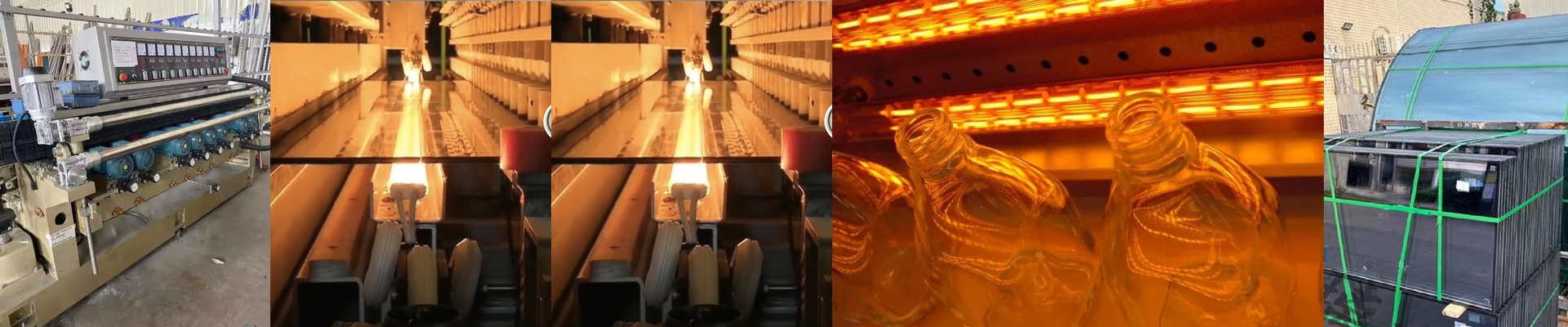
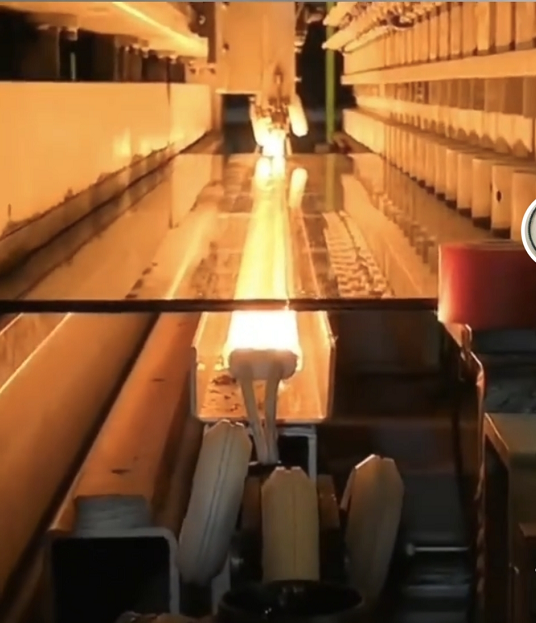
Making glassware is all about playing a high-stakes game with heat. If you blast a cold piece of glass with too much energy too quickly, it doesn’t just crack—it shatters. It’s a nightmare. To stop that from happening, we lean on shortwave infrared lamps and some seriously high-reflectivity reflectors to get “instant tempering” right. Getting the heat just right The secret to avoiding thermal shock is being able to dial the power up and down in a heartbeat. We use shortwave quartz lamps because they don’t lag; they react the second you change the voltage. When you pair those with SCR power controllers, you can tweak the heat flow based on how thick the glass is or how hot it already is. It keeps the surface from expanding way faster than the core. That’s usually where the cracks start, and it’s exactly what we’re trying to avoid. Don’t waste your energy Here’s the thing: a lamp by itself is wasteful. Half the energy just disappears into the air. To fix that, we use gold-coated or high-purity aluminum reflectors to bounce that heat right back onto the glass. It lets you get the heat density you need without having to crank the voltage to a dangerous level. Plus, the shape of the reflector lets you decide where the heat goes. You can tighten the focus to hit a specific stress point or spread it out so the whole vessel heats up evenly. The trade-offs you can’t ignore High-intensity IR setups get hot. Really hot. Even with reflectors pushing the energy toward the glass, the housings still soak up a lot of heat. You’ve got to get your cooling fans or water-jackets right. If the housing overheats, you’re looking at burnt-out connectors or a reflector coating that peels away over time. It’s a pain to fix. And a pro tip: wire these systems for fast cycling. If your control loop is sluggish, you’re just making expensive scrap. Stick with high-grade quartz tubes, too. They can handle the rapid jumping between hot and cold without bowing or snapping.