

The Secret to Cutting Ultra-Thick Glass Without Killing Your Tools
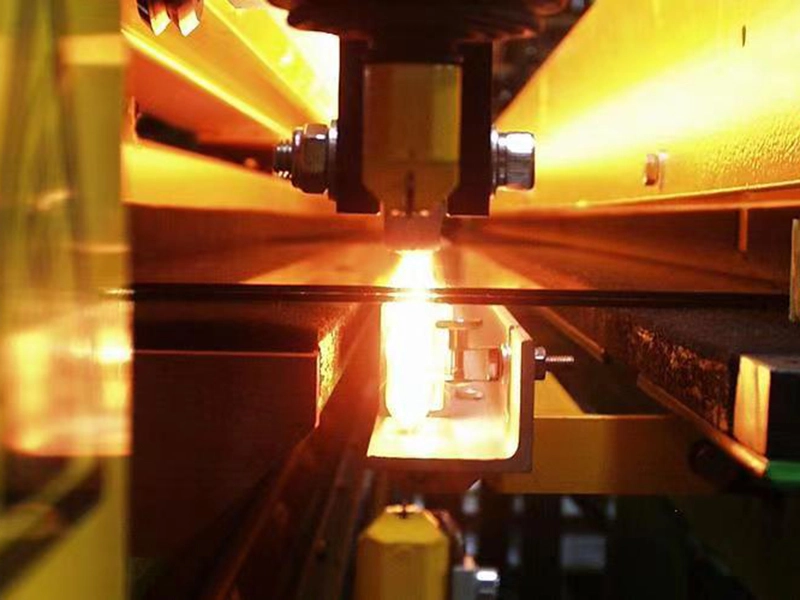
If you’ve ever tried to cut through a massive slab of ultra-thick glass, you know the struggle. A sharp wheel is a start, but it’s usually not enough. When that glass is cold and stubborn, the wheel just fights the material. You end up with jagged edges, or worse, you burn through an expensive cutting wheel in record time. Here is how we handle it: we use high-penetration infrared (IR) lamps to heat up the path right before the wheel hits the glass. It basically softens the surface and lets the material relax. Why the specific lamps? We use short-wave IR for a reason. Most heat just sits on the surface like a warm blanket, but short-wave IR actually sinks deep into the glass. It creates this little zone of heat exactly where the score line needs to be. Think of it like this: you’re lowering the “stiffness” of the glass. Instead of the wheel hacking away at a frozen block, it just glides through. It feels smoother. It sounds different. It just works. Saving your gear Most cutting wheels die because they’re under way too much mechanical stress. You’re basically forcing a crack into something that doesn’t want to move. By preheating the glass, you stop asking the tool to do all the heavy lifting. The thermal energy does the hard work, and the wheel just guides the way. Your tools last way longer because they aren’t fighting a losing battle against cold glass. The “Gotchas” (What to watch out for) Now, this isn’t as simple as just slapping a lamp onto a CNC gantry. These lamps put out a serious amount of heat. If you aren’t careful, that heat will soak right into your machine frame. If you don’t have a solid shield or a cooling system that can actually handle the temperature spike, you’re looking at warped guide rails. And that’s a nightmare you don’t want. One more thing: your lamps and your CNC head have to be in total sync. You need a dedicated controller for this. Why? Because if your head slows down but the lamp stays at full blast, you’ll cook that spot. Too much heat in one place leads to uncontrolled cracking, and suddenly your expensive piece of glass is scrap. Keep the heat moving with the tool, and you’re golden.