Getting Your Voltage Right for IR Stress Removal
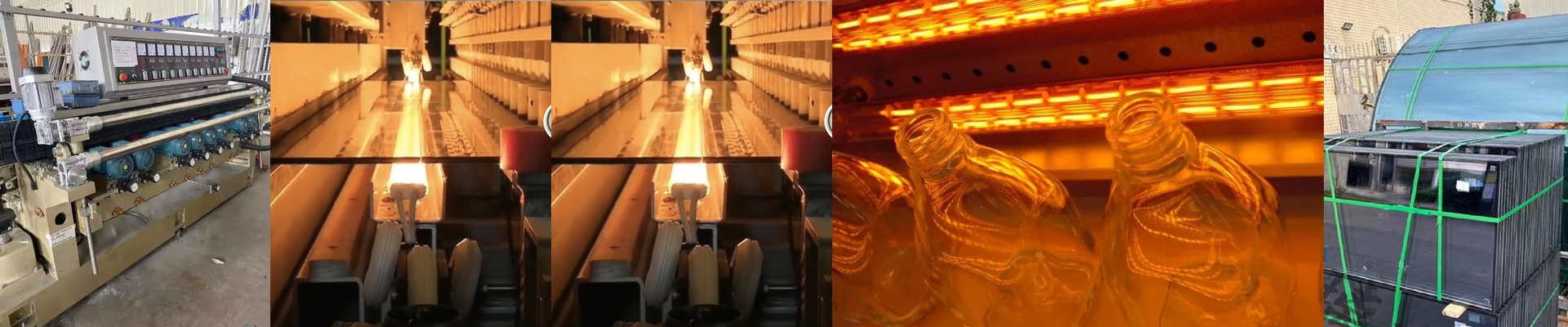
If you’re working with tempered glass, you know that thermal soaking is a bit of a balancing act. It has to be precise. If your infrared lamps aren’t perfectly synced with your plant’s power grid, things go south quickly. You’ll end up with hot and cold spots on your glass, or worse, your filaments will just pop. We don’t believe in “one size fits all” here. That’s why we build our lamps to fit exactly what you’ve got on the wall—whether that’s 110V, 480V, or 575V.
The Headache of Grid Compatibility
Most lamps you find on a shelf are built for 220V. That’s fine for some, but if you’re running a facility in North America at 480V, or up in Canada at 575V, those standard lamps are useless. We handle this by winding the filaments specifically for your voltage. This keeps the wattage per inch exactly where it needs to be. Then there’s the current. 110V setups draw a lot of it. If you aren’t using heavy-gauge wiring, you’ll deal with voltage drops across the heating bank. On the flip side, 480V and 575V setups let you run longer strings of lamps with less current. It keeps your electrical panels smaller and your floor space cleaner.
The Catch with High Voltage
Going with 575V is great for getting massive heat density across huge sheets of glass. It’s powerful. But here’s the thing: these tubes are sensitive. If your plant’s power spikes, those filaments feel it immediately. To keep them from blowing out, you’ll want to pair them with stable power controllers. It’s a small trade-off for the kind of heat you’re getting.
Making it Work in Your Shop
We designed these to be drop-in replacements. Whether you’re fixing up an old oven or starting a brand new line, we match the voltage to the busbars you already have. You can skip those bulky step-down transformers—they’re just energy hogs that get in the way. Just wire them into your local grid, set your PID controllers, and you’re good to go.