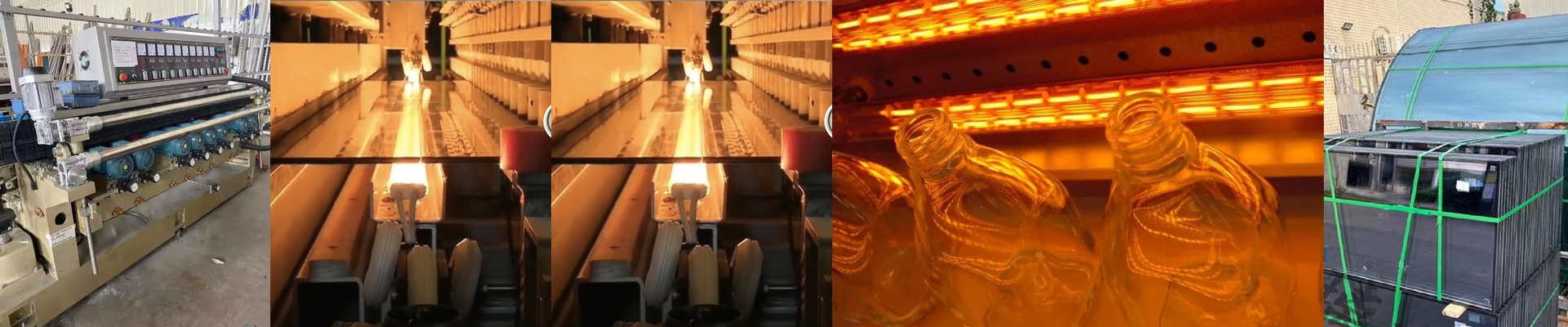


Ever tried cutting cold glass? It’s a pain. You end up with those annoying micro-cracks and chipped edges because the glass is basically fighting back against the cutting wheel. The trick is to warm it up first. We use infrared (IR) preheating to take the edge off that internal tension. When you raise the surface temperature, the glass softens up just enough. It becomes more “giving,” which lets the wheel glide through and leave a clean, crisp score line. No more jagged edges. But here’s the catch: to get that kind of heat, you need shortwave IR lamps. And these things getinsanely hot. We’re talking 600°C at the terminals. If you try to use a cheap plastic holder, it’s going to melt or just char into a mess. That’s why we stick with SK15 ceramic holders. Ceramic doesn’t care about the heat; it just sits there and does its job. Plus, the SK15 has a spring-loaded contact. This is huge because as the lamps heat up and cool down during a shift, they expand and shrink. The spring keeps the connection tight. Without it, you get arcing, and that’s a fast track to burning out your lamps. Now, it’s not just “plug and play.” You have to get the distance right. If the lamp is too close, you’ll shock the glass. Too far? You won’t get it warm enough to actually stop the chipping. You’ll also want to double-check your wiring gauge. These lamps pull a lot of current, and you don’t want your voltage dropping halfway down the line. For the best setup, wire them into a PID loop with a pyrometer. That way, the glass stays at the same temperature whether it’s thin or thick. And since we use the SK15 interface, swapping out a blown tube is fast. You just pop it out and put a new one in, and you’re back to work without wasting half your morning on maintenance.